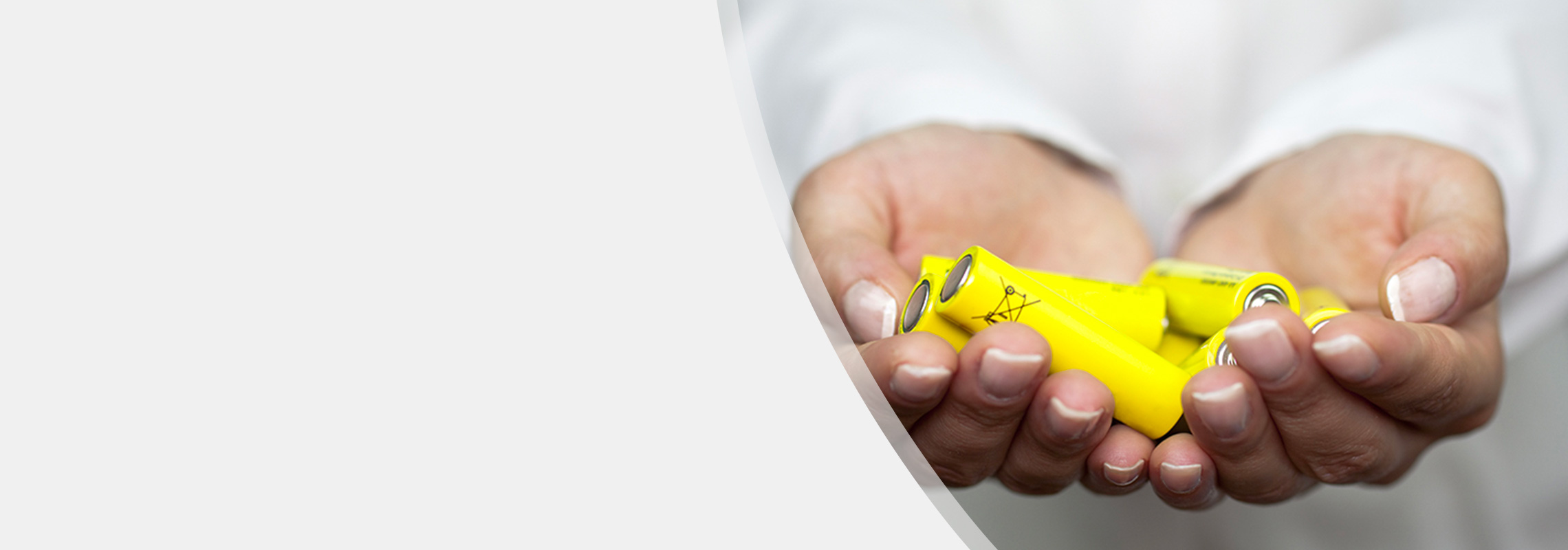
Battery Recycling Guide for the United States
In the United States, household batteries are regulated as universal waste under the EPA’s Resource Conservation and Recovery Act (RCRA). Lithium-ion batteries are also treated as hazardous waste and must be handled carefully to prevent fires and environmental harm.
Because battery rules vary by state, recycling options depend on where you live. Many states operate Extended Producer Responsibility (EPR) programs, while others rely on voluntary recycling networks such as Call2Recycle.
Why Battery Recycling Matters
- Environmental protection: Prevents heavy metals and electrolytes from entering soil and waterways.
- Fire prevention: Lithium-ion batteries can short-circuit and ignite if crushed in waste trucks.
- Material recovery: Recycling recovers lithium, nickel, steel and other valuable materials.
Where to Recycle Batteries in the US
- Call2Recycle drop-off points: Available at Home Depot, Lowe’s, Staples and other retailers.
- State programs: States like California and New York prohibit landfill disposal and require producer-funded collection.
- Municipal hazardous waste facilities: Many cities accept household batteries at local waste centers.
Search “battery recycling near me” or check your state’s environmental agency website for local rules and drop-off locations.
Safe Storage Before Recycling
- Store used batteries in a non-metal container.
- Tape terminals on lithium-ion or 9V batteries to prevent short-circuiting.
- Keep batteries in a cool, dry place away from heat.
Which Batteries Can Be Recycled?
- Alkaline AA and AAA (accepted in many states)
- Rechargeable lithium-ion and NiMH
- Button cells
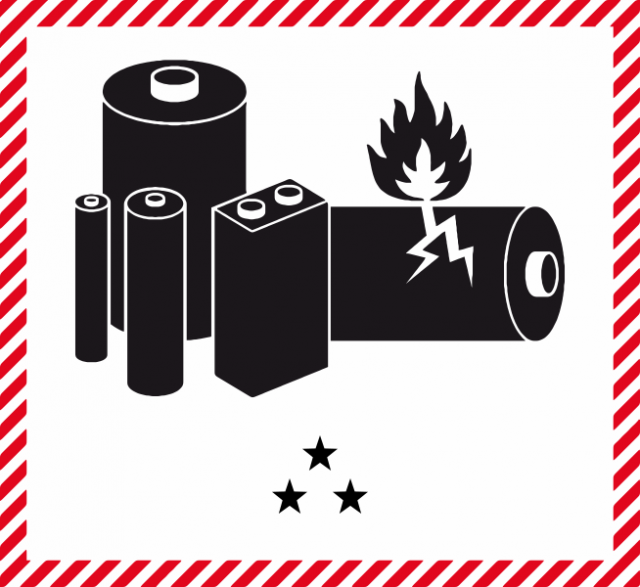
Transporting lithium-ion batteries is regulated by the US Department of Transportation (DOT) as Class 9 hazardous materials, requiring safe packaging.
Strike Batteries and Responsible Disposal
Strike Batteries uses recyclable packaging and provides clear end-of-life guidance. When your rechargeable AA batteries reach the end of their life, store them safely and take them to a certified US recycling point.