Battery Recycling Guide for the United Kingdom
The UK follows a producer responsibility model similar to the EU’s battery framework, requiring retailers and manufacturers to support battery collection and recycling. Household batteries should never be placed in general waste due to fire and environmental risks.
Why Battery Recycling Is Important
- Environmental protection: Prevents metals and chemicals from entering soil and water.
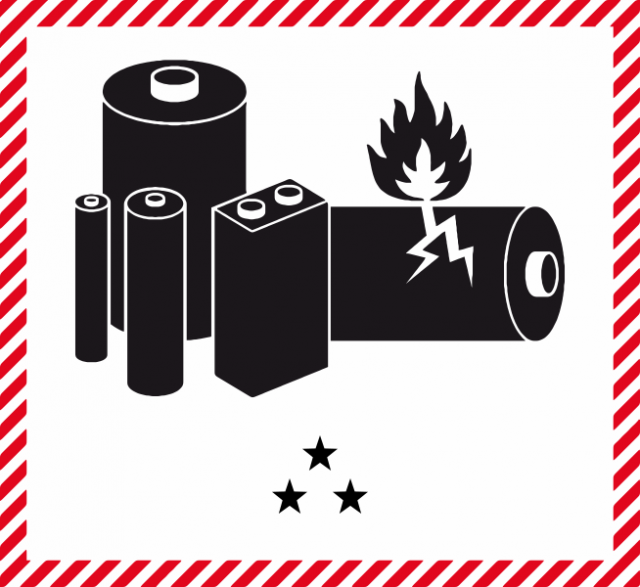
- Fire safety: Lithium-ion batteries can ignite if crushed in waste trucks.
- Circular economy: Supports recovery of lithium, nickel and steel for reuse.
Where to Recycle Batteries in the UK
- Supermarkets and retailers: Tesco, Sainsbury’s, ASDA, Morrisons, B&Q and Argos all provide battery recycling bins.
- Council recycling centres: Most local authorities accept household batteries at waste and recycling centres.
- Community collection points: Libraries, schools and community hubs often host battery drop-off bins.
Check your local council’s website for specific drop-off locations and accepted battery types.
Safe Storage Before Recycling
- Keep used batteries in a small container or jar.
- Tape terminals on lithium-ion or 9V batteries.
- Store in a cool, dry place away from heat sources.
Which Batteries Can Be Recycled?
- Alkaline AA and AAA
- Rechargeable lithium-ion and NiMH
- Button cells
Strike Batteries and Responsible Disposal
Strike Batteries uses recyclable packaging and provides clear disposal guidance. When your rechargeable AA batteries reach end-of-life, take them to a recognised UK recycling point rather than placing them in household waste.